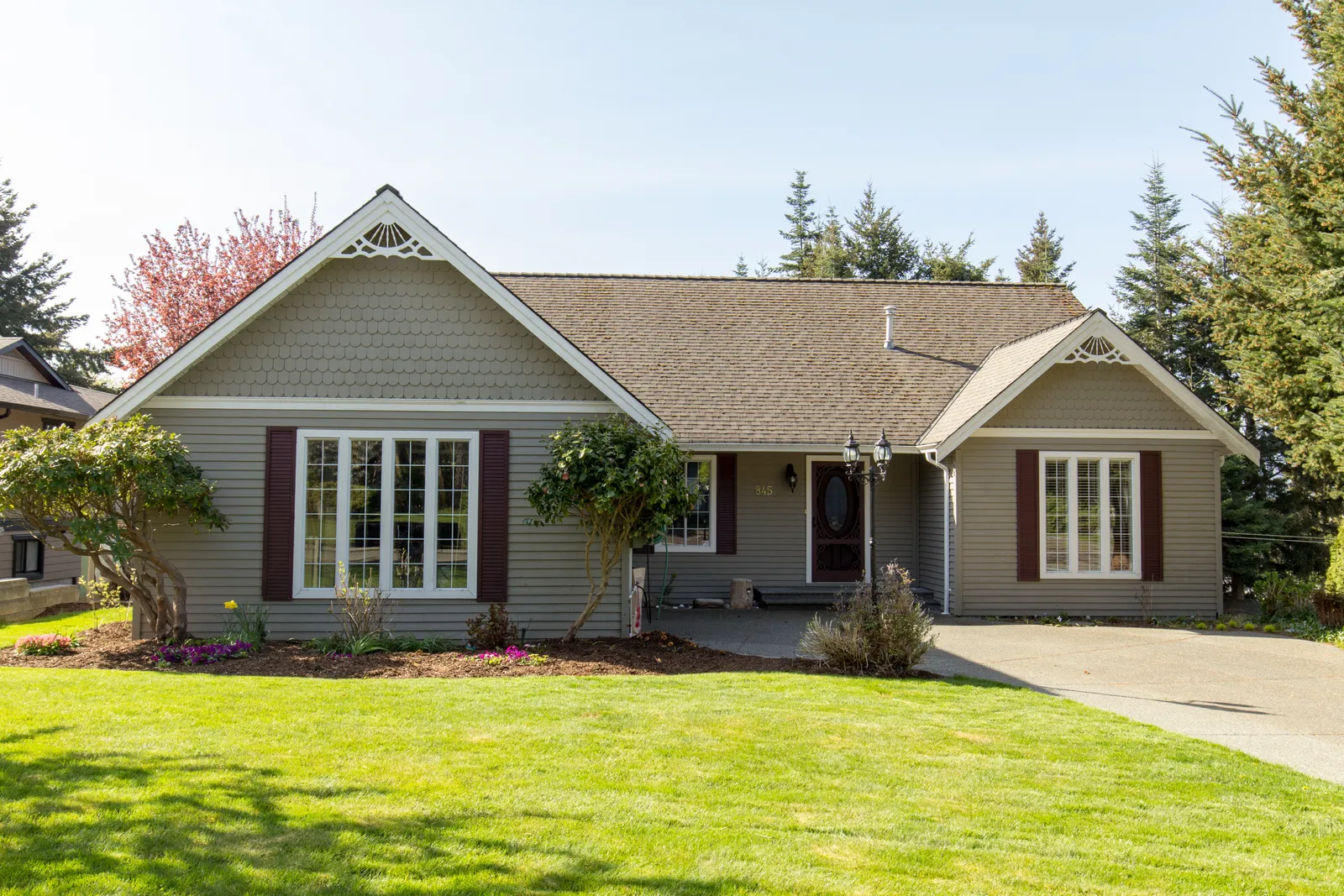
Roof Replacement in Bella Vista, AR
Another patch, or a whole new roof? The difference usually comes down to one thing: whether the next repair would still pay for itself.
It's a tipping point, not a birthday.
A roof crosses into replacement territory the moment fixing it costs close to what starting over would. A local roofer settles that comparison on the roof itself, pricing what's up there instead of estimating from its age.
Two more seasons of patching the same weak spot rarely buys much. The same flashing detail or the same worn field usually fails again nearby, and each repair on an aging roof tends to buy less time than the one before it.
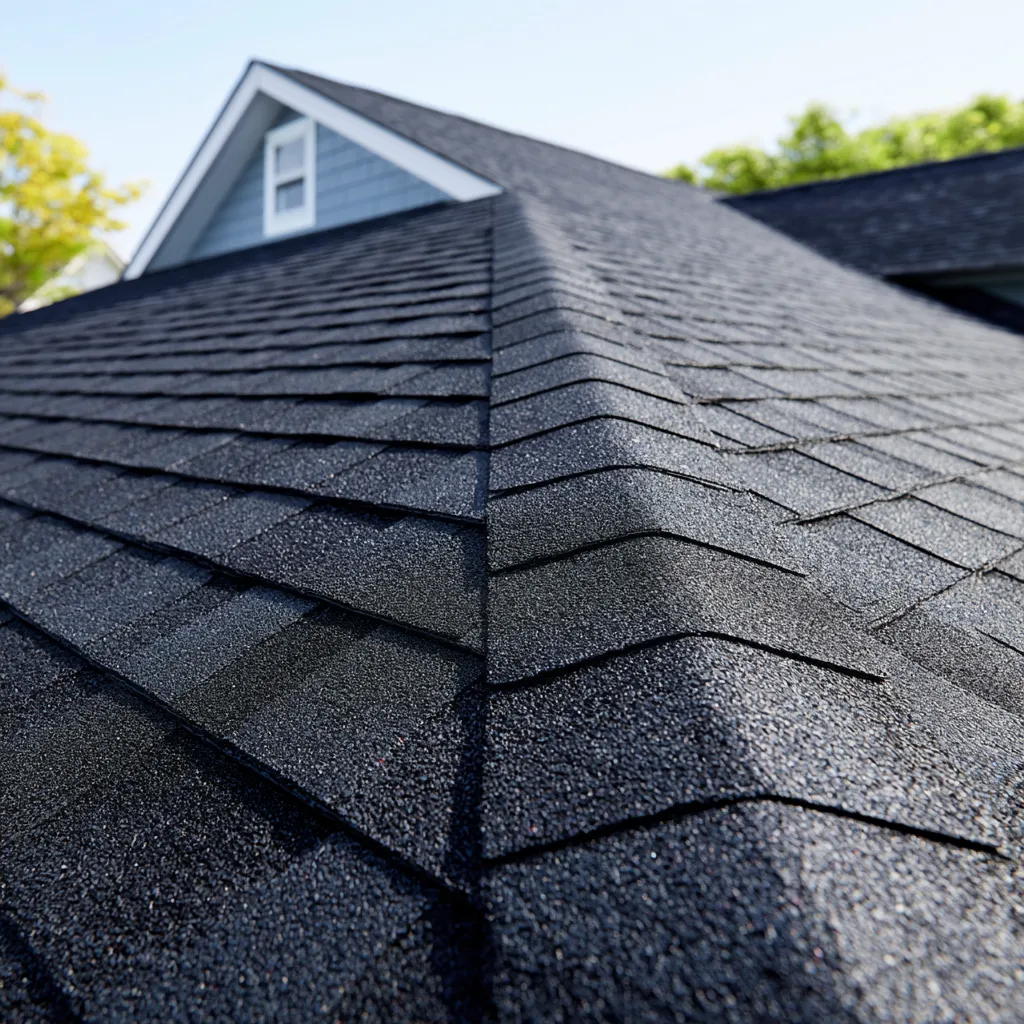
Inside a full Bella Vista roof replacement
A full replacement follows the same order on every job, whatever the tear-off turns up.
- 01Tear-off to deck
- Every layer comes off, not just the top course, so nothing old gets sealed back under the new roof. What's underneath only shows once this step is done.
- 02Decking judged on its own
- Each section of decking gets checked once it's bare, since the roof above it looking fine proves nothing. Soft or delaminated panels get named and replaced before anything closes back over them.
- 03Assembly rebuilt to spec
- Drip edge, ice-and-water membrane, underlayment, and flashing go back in the order that sheds water, and that order isn't the fastest one. Skipping or reordering any one of them is the kind of shortcut that shows up later as a leak.
- 04Ridge and vents finished last
- The ridge cap and ventilation close out the assembly once the field is down, tying the intake at the eaves to the exhaust at the peak. A roof that can't breathe right cooks itself from underneath, warranty or not.
What a repair could still catch belongs to a different conversation. This page starts once repairs have run their course.
The order a replacement runs in.
A replacement runs as one continuous sequence, and each step has to finish before the next can start. The deck is the one part of it nobody sees until the old roof is off.
Old roof comes off
The roofer's crew strips every layer down to bare decking so nothing hidden stays hidden, then walks the deck panel by panel before anything new goes down.
Deck gets rebuilt
Any soft or damaged panel gets replaced and refastened, and the drip edge, membrane, and underlayment go back on in their proper sequence.
Field goes down, ridge closes it
New shingles run bottom to top with flashing woven in at every wall and pipe, and the ridge cap and vents finish the assembly once the field is complete.
Signs a Bella Vista roof is past repair
Taken one at a time, these don't prove much. Add them up on the same roof and the picture gets a lot harder to ignore.
- Repeated leaks, different spots: when failures move around the roof instead of repeating in one place, the whole system is wearing out together.
- Granule loss across the field: bald patches spreading wide instead of staying near one shingle mean the surface itself is thinning across the field.
- Curling or cupping shingles: edges lifting across whole sections point to the roof aging as a system, past what one patch can fix.
- Soft decking found more than once: if a repair already turned up rotten plywood, another one nearby is a reasonable bet.
- A long patch history: each prior repair says something on its own, and together they usually say more than any single one does alone.
- Daylight in more than one spot: multiple entry points at once point to the whole assembly failing.
A roofer confirms which of these applies to your roof before anything gets scheduled.
How a replacement price comes together
A replacement price isn't set from the driveway, because the same roof can price two different ways depending on what the tear-off finds once the old layer is off.
What moves it: the roof's shape and how many valleys and penetrations it has, how many old layers have to be torn off first, and whether the decking underneath is still solid or needs replacing before anything new goes down. That last one is impossible to know from outside.
Get a number for your roof- Roof shape, including hips, valleys, and how many pipes and vents come through it
- Number of old roofing layers being torn off
- Whether the decking underneath is still solid
Bella Vista's building wave.
The typical Bella Vista house dates to the early 1990s, so a huge share of the roofs here went on inside one relatively narrow stretch.
Roofs installed in the same few years wear out in the same few years, which is why replacement calls here cluster instead of trickling in one house at a time.
- 01One era, same materials
- A lot of Bella Vista roofs from this stretch used similar shingle products and similar install standards, which is part of why they're wearing out on a similar timeline now.
- 02Repairs get more frequent
- On a roof from this era, a repair that used to be rare starts happening more often, which is usually the practical signal a roofer weighs against a full replacement.
This explains the timing, and it isn't a read on your roof specifically. Why the roofs here age in waves is one question; what your own roof needs is a separate one, answered on site.
Bella Vista replacement questions, answered plainly
The questions people ask before agreeing to a full replacement. Most of them come down to time, noise, and what happens to the deck underneath.
Q1How long does a complete roof replacement take?
Q2Do I need to move out during the work?
Q3What happens if the decking is bad once it's opened?
Q4Is a replacement always the right call over another repair?
Q5Does a new roof come with a warranty?
Q6Will the whole roof match, or just part of it?
Have the roof measured before replacement is booked
Describe the roof and what's been going wrong with it, and a local roofer measures it in person, at no charge, before anything gets priced or scheduled.