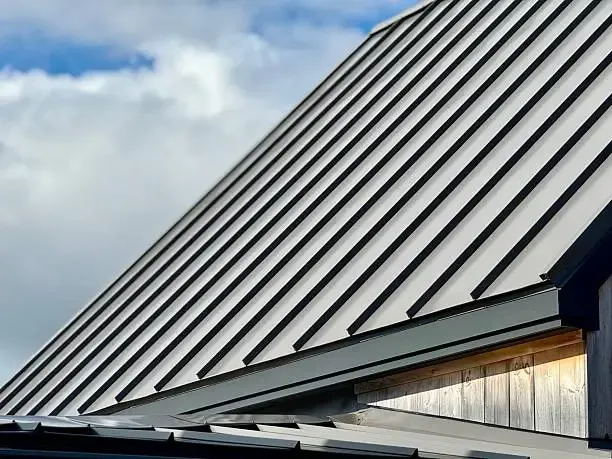
Metal Roofing in Bella Vista, AR
Metal costs more up front than a shingle replacement and lasts a good deal longer. Whether that trade works on your Bella Vista roof depends on the pitch, the deck, and how long you plan to stay, and the two get priced side by side before you choose.
What decides if metal is right for this roof
Three things decide whether metal makes sense on this house: the pitch of the roof, what the structure underneath can carry, and how many more years you plan to own it. None of those get answered by a brochure, and how the roofing materials compare is the wider version of the same question.
None of it is settled from the street either, and the ownership horizon is the one part only you can answer.
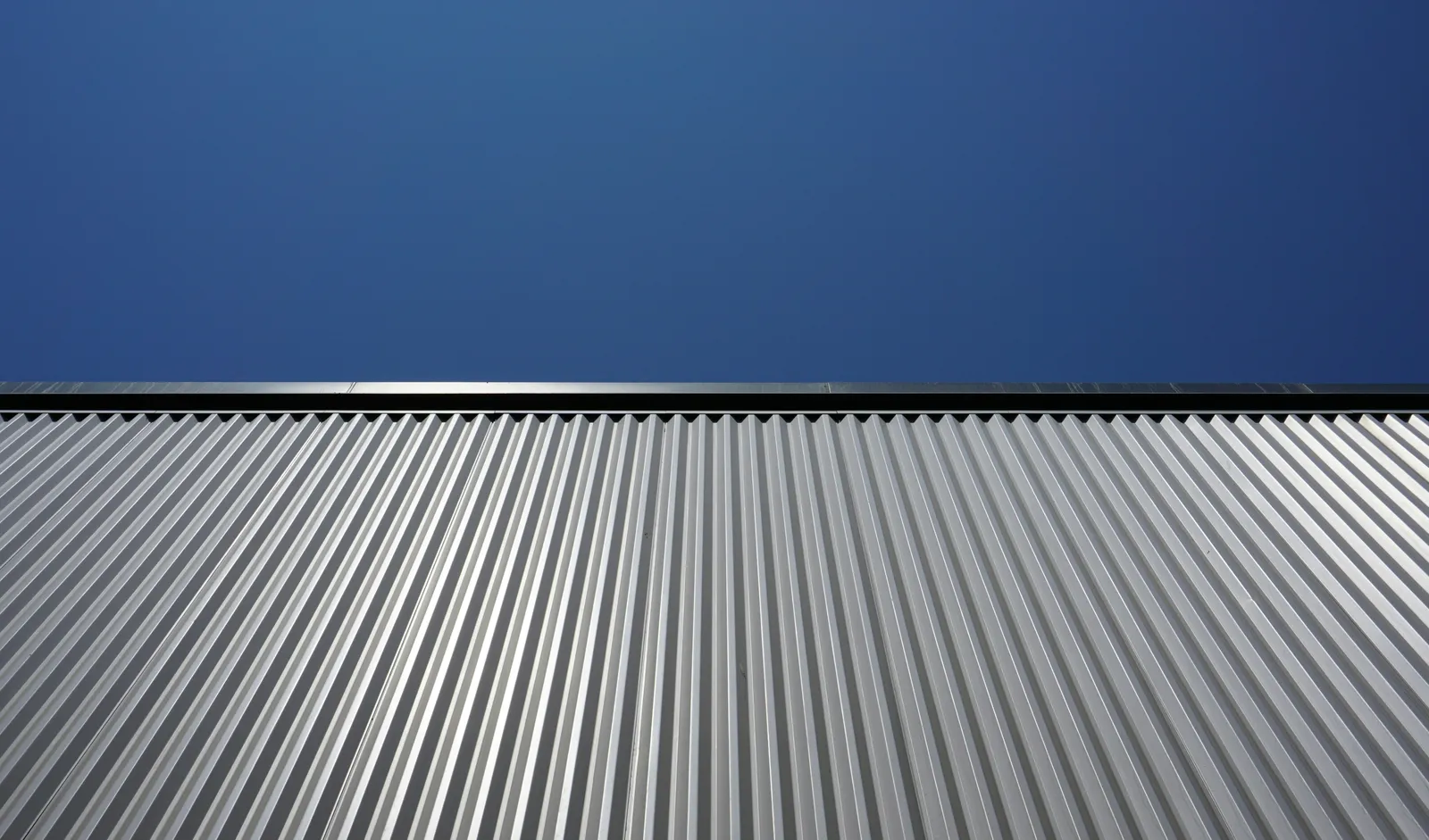
Standing seam and panels on a Bella Vista roof
What standing seam and panel systems each require before the first piece goes down. Both systems carry requirements that apply before anything goes on a deck, and the underlayment swap is the one detail an asphalt-only crew is most likely to skip on a first metal job.
- 01Standing seam panels
- The fasteners sit hidden under each interlocking seam, so nothing metal is left exposed to work loose over the years. That's the detail behind the higher price, more than the panel material itself.
- 02Exposed-fastener panels
- Screws go straight through the panel face into the deck, which costs less to install but leaves washers that need checking as they age. It's still a legitimate metal system, just a different maintenance bargain.
- 03Deck built to carry it
- Metal needs a deck that's solid and properly fastened before a single panel goes down, the same way a shingle deck does. Soft or delaminated sheathing needs replacing before panels go down, and the bare deck is the one moment anyone can see what the panels will sit on.
- 04Underlayment built for metal
- A high-temperature synthetic or self-adhered membrane goes down first, because metal runs hotter in direct sun than a standard felt underlayment is rated for. Skipping that swap is one of the more common shortcuts on a metal job.
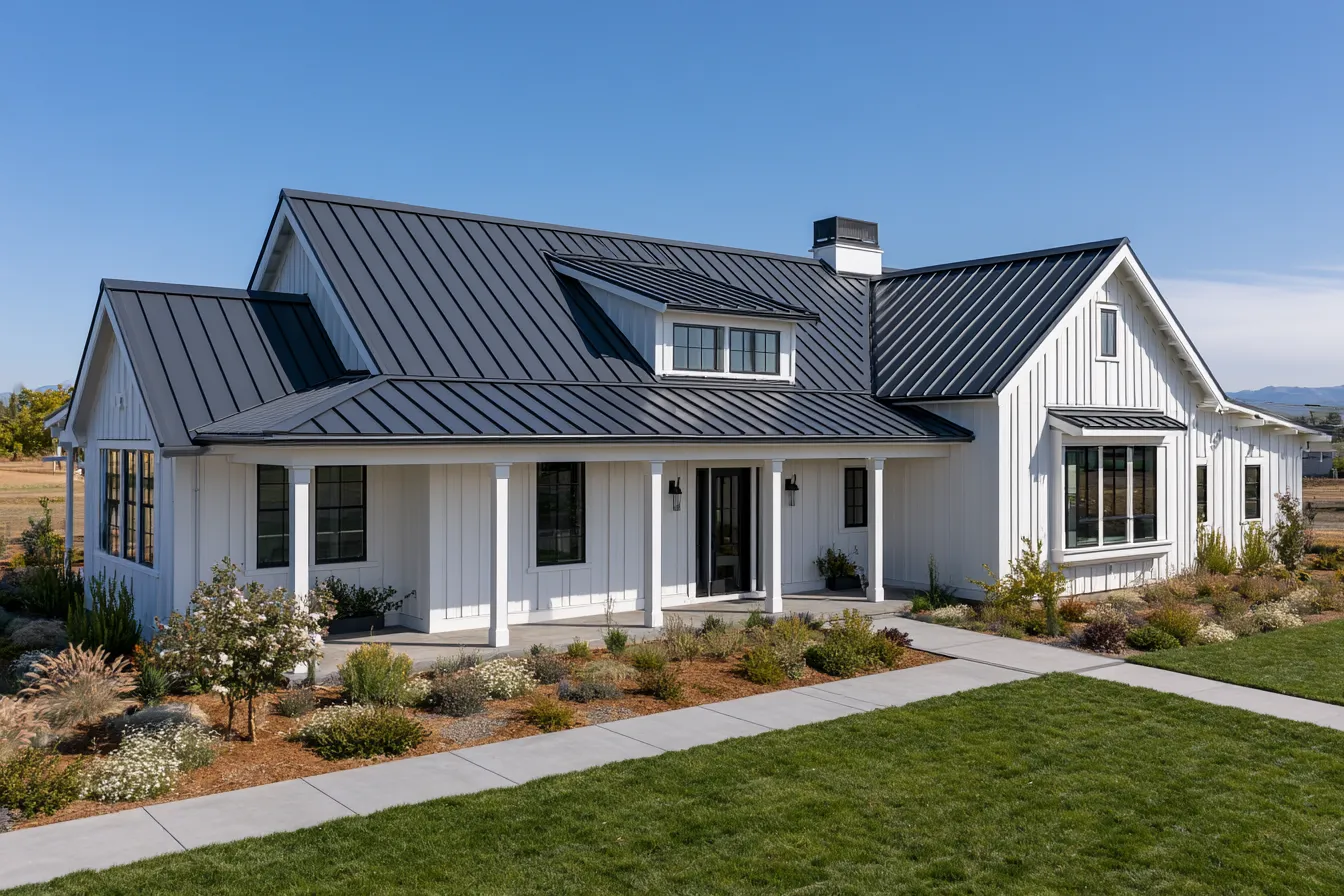
Those requirements hold the same whether the roof belongs to the house or to a detached shop out back.
How a metal job runs differently
A metal roof goes slower at the seams and the flashing details than a shingle tear-off, and faster across the open field. Planning takes longer than the panels do.
Deck and layout
The deck gets checked and the panel layout is measured out before any material shows up, since panels run in long lengths that have to be planned ahead instead of cut on the fly.
Panels set and seamed
Panels go down and get seamed or fastened moving across the roof, with the trickiest work happening at valleys, walls, and penetrations rather than across the open field.
Flashing and trim closed out
Every edge, valley, and penetration gets closed with formed metal trim built for this system, the stretch of the job that takes the most care.
Bella Vista roofs that suit metal, and roofs that do not
Neither system is the automatic right call. Here's what tends to point toward one or the other.
- Low-slope sections: metal sheds water well, but some panel systems need a minimum pitch to seal properly.
- A short planned stay: the extra upfront cost has less time to pay back before you might sell.
- A structure at its limit: added weight and fastening patterns matter more on a frame already carrying a lot.
- Already sound as-is: asphalt done properly, on a solid deck, is a sound choice too, and picking it is no downgrade.
Metal pricing against a shingle replacement
Metal is priced as the difference against an asphalt shingle replacement, not as a number on its own, so nothing here means anything until your own shingle estimate exists to compare it to.
What that comparison turns on: the size and complexity of the roof, the panel system chosen, and how the structure and access change the install. None of that's a fair guess from a photo.
Get a number for your roof- Roof size and how cut-up the roofline is
- Which panel system gets chosen
- Access and how the structure changes the install
How Bella Vista's terrain puts metal on some roofs
Bella Vista sits in hilly, creek-cut terrain inside the Ozarks, with oak and hickory canopy running close to a lot of rooflines and steep drives climbing back to outbuildings tucked off the street.
That's the kind of ground metal roofing turns up on locally: a detached shop with a steep pitch, a drive shed at the back of a wooded lot, a main house on a lot too tight to stage a full asphalt tear-off comfortably. That's not an argument for any one system; it's why the metal question comes up here at all.
- 01Steep outbuilding roofs
- A detached shop or barn roof with a steep pitch is a common place metal shows up on a property that otherwise runs asphalt.
- 02Wooded, hard-to-stage lots
- On a lot boxed in by trees, the lighter weight and faster install of some panel systems can matter as much as the material itself.
Which system suits your roof still comes down to the fit described above, confirmed on a roof inspection.
Metal questions Bella Vista owners send in
Noise and lightning come up first almost every time. Insurance and resale are the two that move the decision.
Q1Does a metal roof get loud when it rains?
Q2Does metal attract lightning?
Q3Does metal cost more to insure?
Q4Does metal help or hurt resale?
Price metal against shingles for your Bella Vista home
Send your shingle number if you've got one, or just describe the roof, and a local roofer will price both ways before you have to pick. Both numbers are yours to sit with, and there's no deadline on choosing between them.