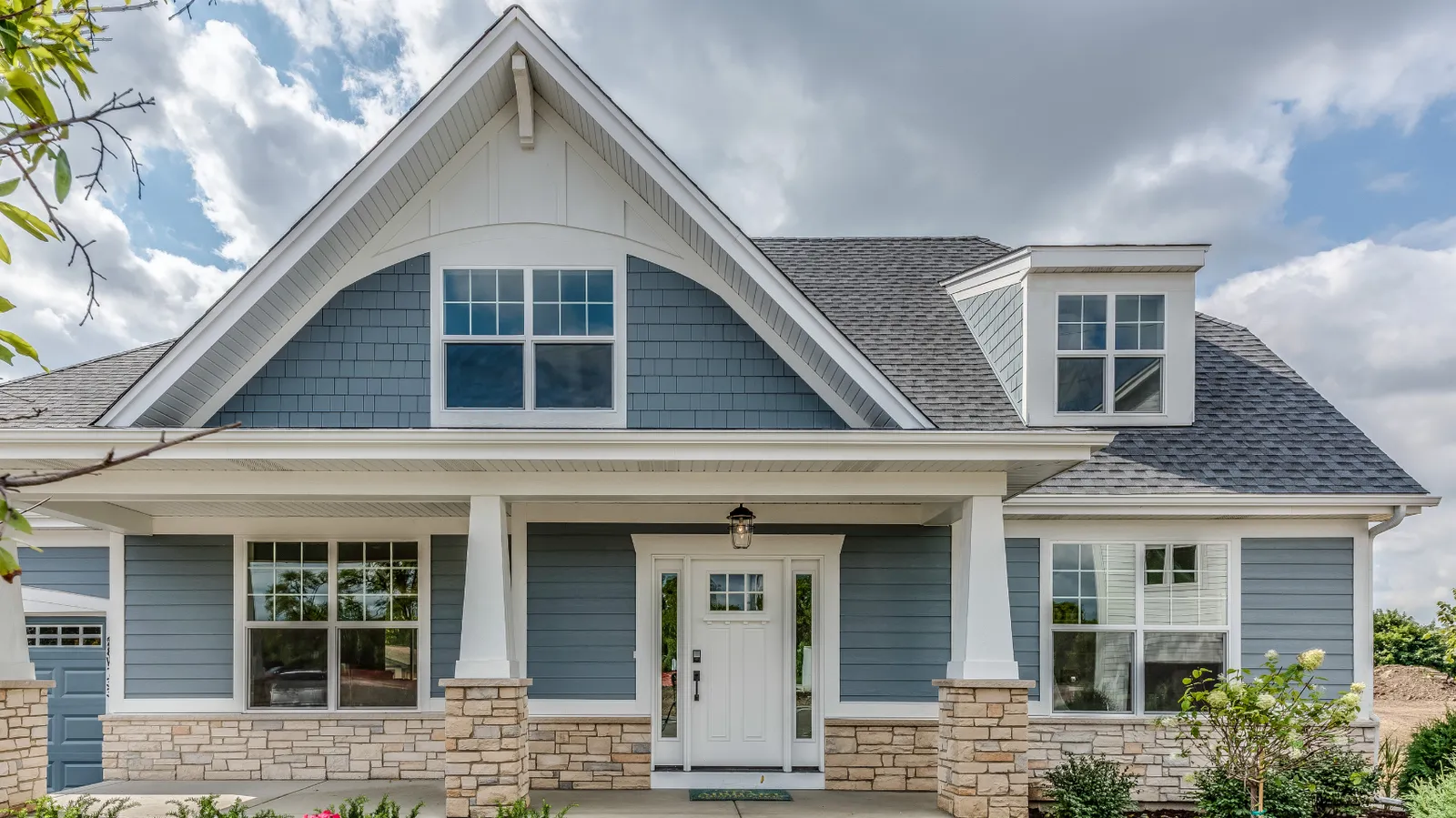
Asphalt Shingle Roofing in Bella Vista, AR
Find the right asphalt shingle for your Bella Vista roof. Two roofs wearing the same shingle can still be built to very different standards underneath, and that's where the difference shows.
What the grade changes
Asphalt shingle roofing isn't one product. A builder-grade three-tab shingle and a laminated architectural shingle carry the same 'asphalt' label and do very different jobs once they're on a roof.
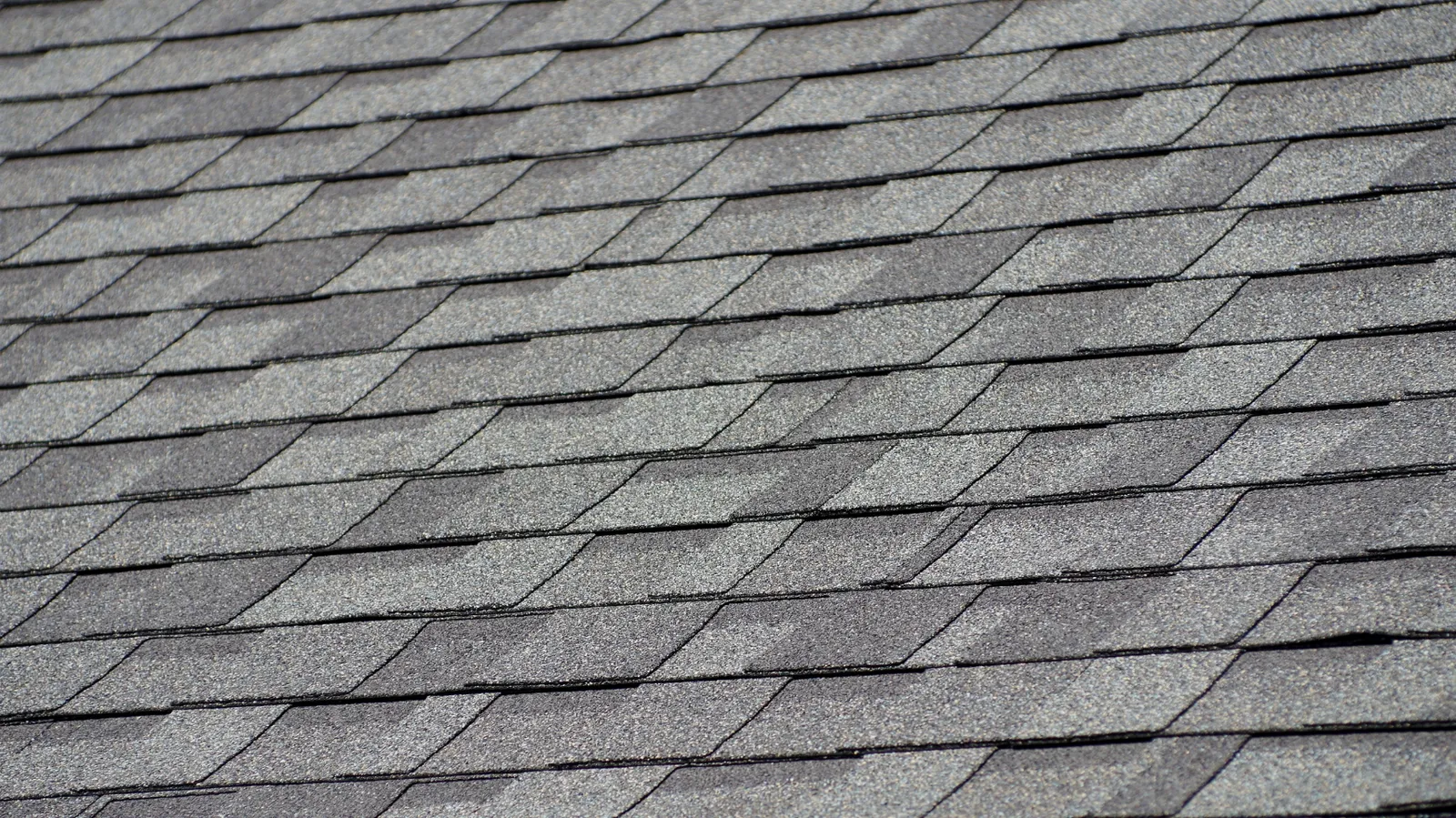
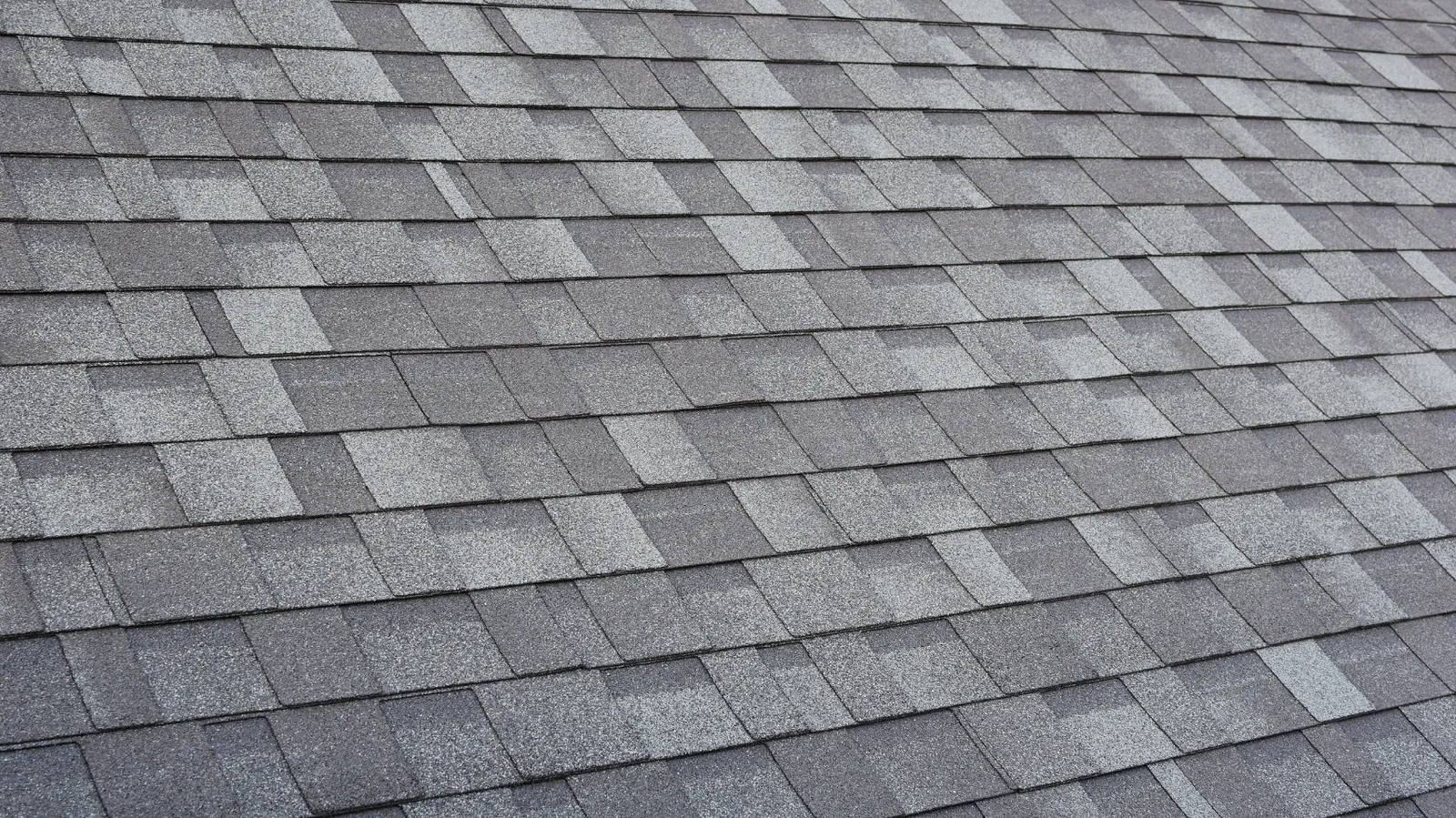
Zoom in on a single shingle and the difference is right there in the layers: an architectural shingle laminates two layers together for a heavier, more dimensional tab, where a three-tab shingle is a single flat layer.
Inside a Bella Vista tear-off, down to the decking
What a proper asphalt job includes, from the deck up. The layers stack in a fixed order, and the deck's condition once it's exposed decides how much of that order needs rebuilding before shingles go back on.
- 01Full tear-off to the deck
- The old shingles, underlayment, and flashing all come off down to bare decking rather than getting covered over. That's the only way to see and fix anything wrong with the deck underneath.
- 02Deck inspected and repaired
- Any soft, delaminated, or damaged sheathing gets replaced once the deck is exposed, before anything new goes down on top of it. Skipping this step is how a new roof ends up sitting on a bad base.
- 03The layers under the shingle
- A synthetic or felt underlayment goes over the whole deck, with drip edge at the eaves and rakes and ice-and-water membrane at the vulnerable spots. These are the layers doing the real waterproofing, not the shingle on top.
- 04Field shingles and ridge cap
- Shingles go on from the bottom edge up in staggered courses, with flashing woven in at every wall, valley, and pipe along the way. Purpose-made ridge cap shingles finish the peak instead of cut-up field shingles standing in for them.
Where the deck ends up is what decides the next step, not the plan going in.
What you see, stage by stage
The crew the roofer brings handles tear-off and decking first, and the deck is worth walking with the roofer before anything closes back up. Nothing underneath the shingles is visible until that tear-off happens.
Tear-off and deck check
The roofer's crew strips the old roof down to bare decking and repairs whatever the tear-off finds, the one stage where hidden problems get caught instead of covered.
The layer under the shingle goes down
Drip edge, ice-and-water membrane, and underlayment go on next, and this is the stage most of a roof's waterproofing happens, well below the shingle layer above it.
Shingles installed and closed out
The roofer runs the field shingles and ridge cap, ties flashing in at every wall and penetration, and finishes with a cleanup pass. Most homes wrap in one continuous stretch; a bigger or more cut-up roofline runs longer.
Shingle failures common on Bella Vista roofs
What shingle wear looks like before it becomes a leak. Wear tends to show up in the same rough order as a shingle field ages, and granule loss collecting in the gutter is typically the first one a homeowner notices without looking for it.
- Granule loss in the gutter: bare, shiny patches on the shingle usually mean the protective coating has already washed away.
- Curling at the edges: tabs that cup up or down are losing their seal, even if nothing has leaked yet.
- Nail pops: a raised bump under a shingle is a nail backing out, and it telegraphs through the surface long before it lets water in.
- Blistering: raised bubbles on the shingle face point at trapped moisture or heat working underneath the surface.
None of these say how much of the roof is affected on their own. A roof inspection settles that.
Asphalt pricing per square, and what moves it in Bella Vista
Asphalt is priced by the square, but the number that matters is what's underneath the old roof, and that stays invisible until tear-off opens it up.
Layer count is one unknown: a roof with one old layer prices differently than one already carrying two. Deck condition is the other: soft or delaminated sheathing found during tear-off changes the job in a way no estimate written from a photo can predict.
Get a number for your roof- How many shingle layers are already there
- Condition of the decking once it's opened
- Grade chosen and how cut-up the roofline is
What the county hail record says about impact rating
Bella Vista's housing largely went up in one long building surge instead of spreading evenly across decades, so a large share of the local roofs are aging out in the same stretch of years rather than one at a time.
Benton County's own storm record is why impact rating comes up here at all: across 2023 through 2026 the county logged 52 hail reports at an inch or larger.
- 01Houses of one era
- A roof that went up decades ago in the same wave as its neighbors is more likely to be reaching the end of its service life on its own schedule, storm or no storm.
- 02A real hail record
- Impact rating matters here on its own merits, never as an add-on to talk you into.
What your own roof needs is a separate question, and the impact-rating part of it is answered below.
Asphalt questions Bella Vista owners ask
The questions homeowners ask before choosing asphalt shingle. Impact rating draws more of them here than it would in a quieter county, and the county hail record above is why.
Q1How long does an asphalt roof actually last here?
Q2Is impact-rated shingle worth it?
Q3Can a new roof just go over the old shingles?
Q4Does the shingle come with a warranty?
Walk the asphalt roof before choosing a grade
Describe the roof and a local roofer will walk it in person before naming a grade or a number, tear-off included. You can decide later, and hearing that the roof still has years left in it is a normal outcome here.