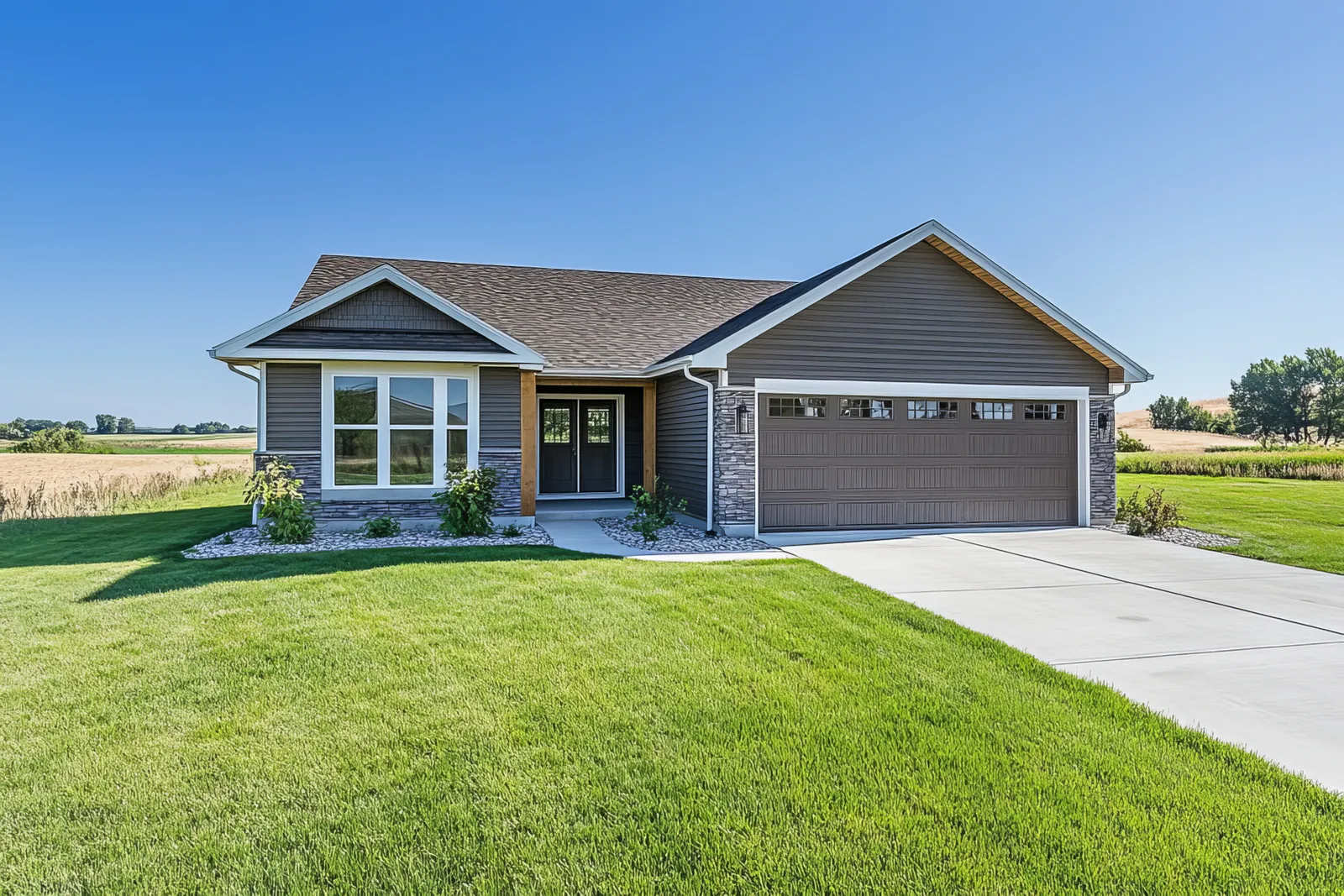
Roofing Warranty in Bella Vista, AR
A roof warranty splits in two: one half covers the shingles themselves, the other covers the work that put them on. Which half applies to your problem decides who you call, and it is worth knowing before you sign anything.
Two promises are in play before you sign.
A roofing warranty is two separate promises. The manufacturer stands behind the shingles or membrane itself, and the roofer stands behind how it was installed, and a failure on one side almost never means a claim against the other. Because so much of Bella Vista's housing went up within a fairly narrow stretch of years, original coverage windows on a lot of these roofs are closing around the same time.
Take a single flashing seam at a chimney. If it was cut and sealed wrong, that's a workmanship problem the roofer answers for. If the shingle underneath it is defective from the factory, that's the manufacturer's problem instead, and the difference decides who gets the call.
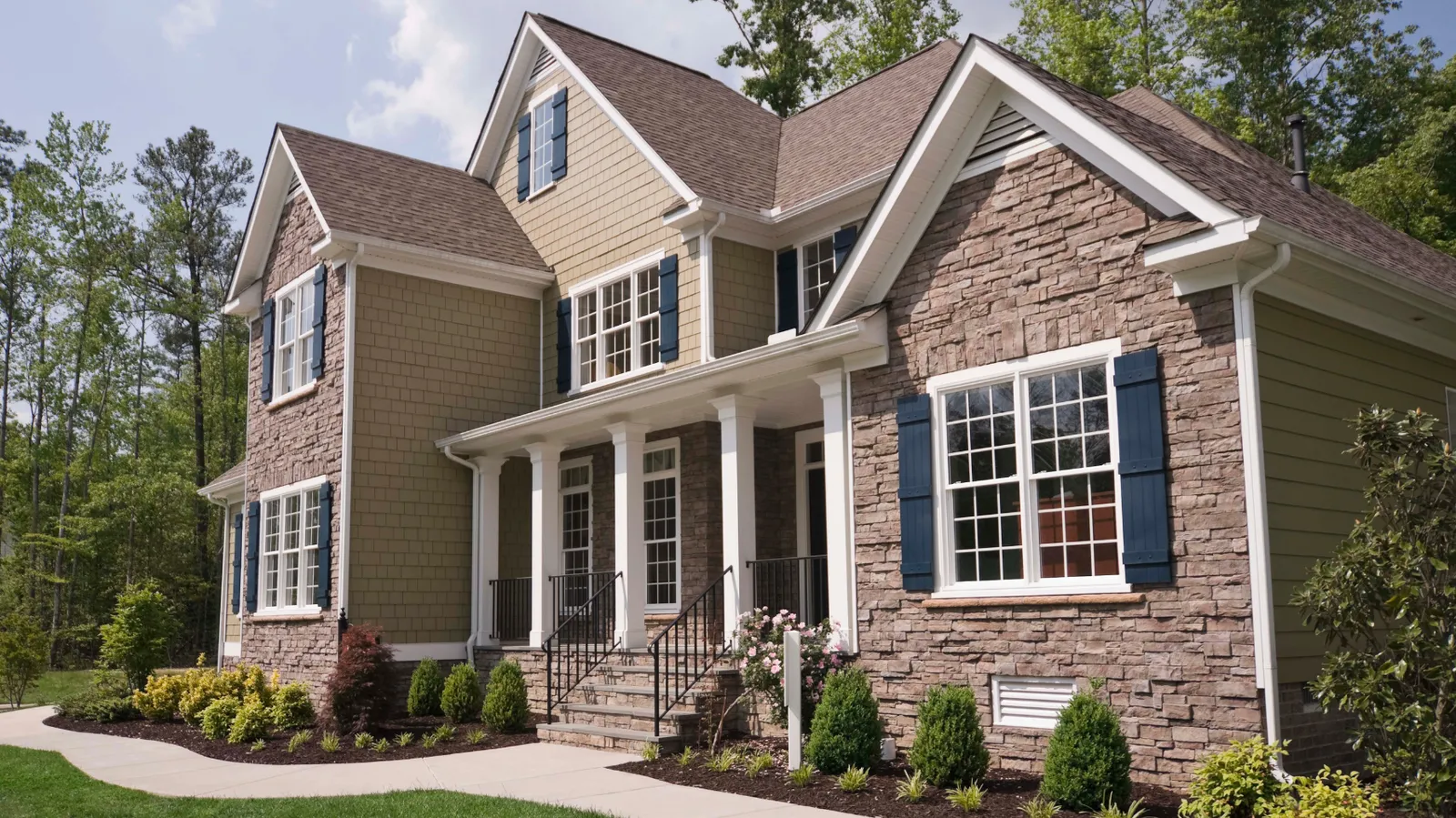
What you're weighing, side by side.
The rows worth the most attention are the last two: what each side refuses to cover.
General industry ranges. Ask your roofer for the specific terms.
Where a Bella Vista warranty stops covering
Coverage doesn't disappear all at once. These are the situations where it thins out before anyone notices.
- Ventilation that's blocked or missing: attic heat trapped under the shingles is a recognized reason a manufacturer can decline a material claim.
- Work an unlicensed party touched: a satellite mount, solar install, or repair added by someone outside the original job can void the section it touches.
- Storm and wind damage: neither warranty was ever meant to cover it. That runs through home insurance instead, a separate process entirely.
- A layover instead of a tear-off: shingles installed over an old roof instead of stripped to the deck can shorten or void material coverage.
- Skipped maintenance and neglect: clogged gutters and ignored minor damage read as neglect, and neglect is excluded on both sides of a warranty.
Coverage specifics come from the paperwork on your own roof, read by a roofer who has been up there, before you sign anything. Keeping the gutters clear is part of what a manufacturer means by maintenance.
Warranty questions Bella Vista owners bring up
These come up after the roof is already on, when the paperwork suddenly matters. Most of them turn on which half of the coverage a problem belongs to.
Q1Is a roofing warranty transferable if I sell the house?
Q2What happens to my workmanship warranty if the roofer goes out of business?
Q3Does the warranty cover storm or hail damage?
Q4What voids a workmanship warranty fastest?
Q5Do I need both warranties, or does one cover everything?
Get the warranty terms in writing, from the roofer
Ask for both sets of terms before work starts, the manufacturer's and the roofer's own, so there is something to hold either one to later.