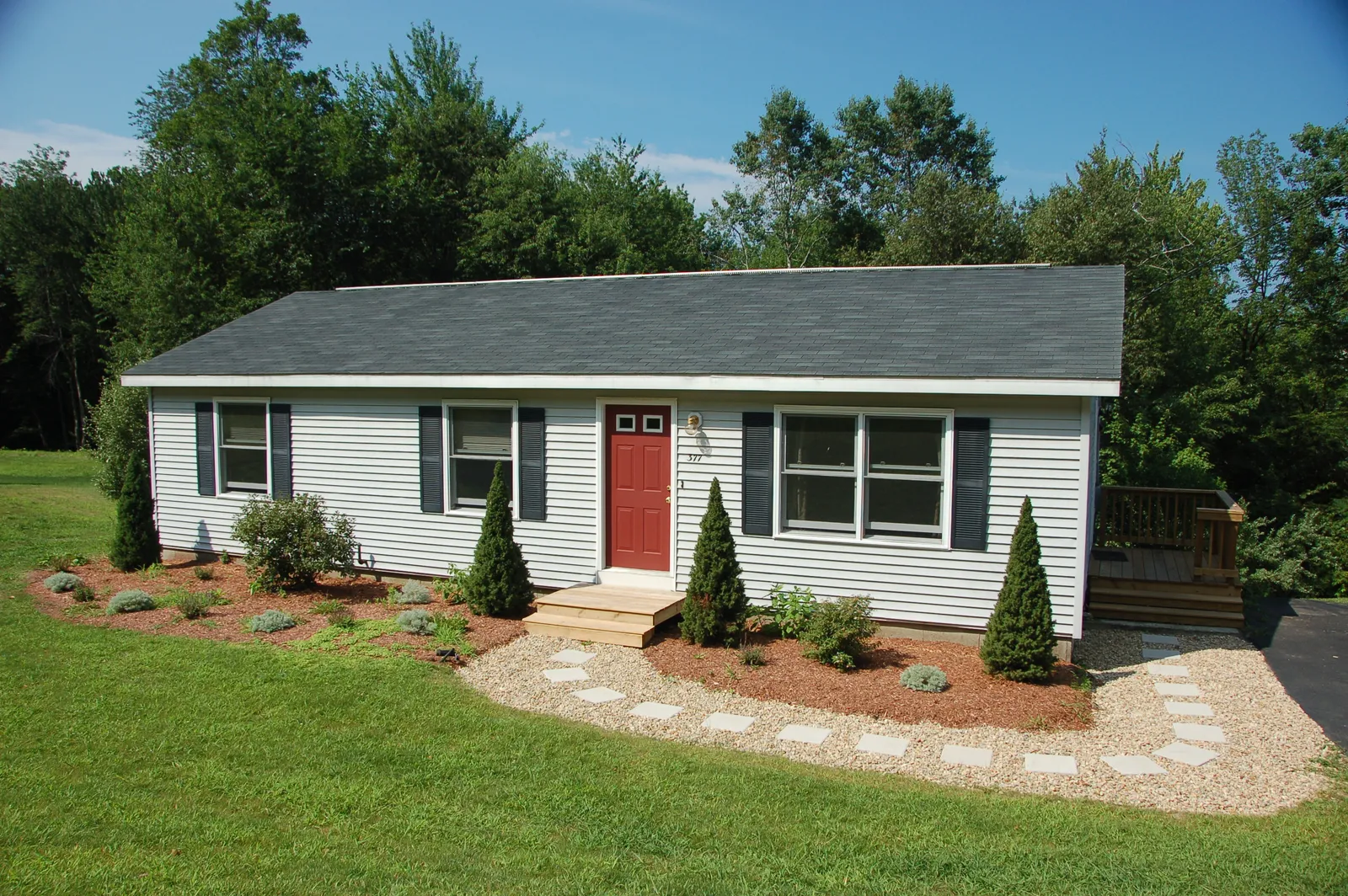
Roof Ventilation in Bella Vista, AR
Find out whether the attic above your Bella Vista roof breathes the way it should. When roof ventilation falls out of balance, the shingles overhead wear out early.
Is it broken, or just out of balance?
Intake at the soffit and exhaust at the ridge work as one system, not two separate parts, and each half depends on the other to do its job.
Most attic ventilation problems people notice aren't a total absence of venting at all. They're one half overpowering the other, exhaust pulling more air than the intake can supply.
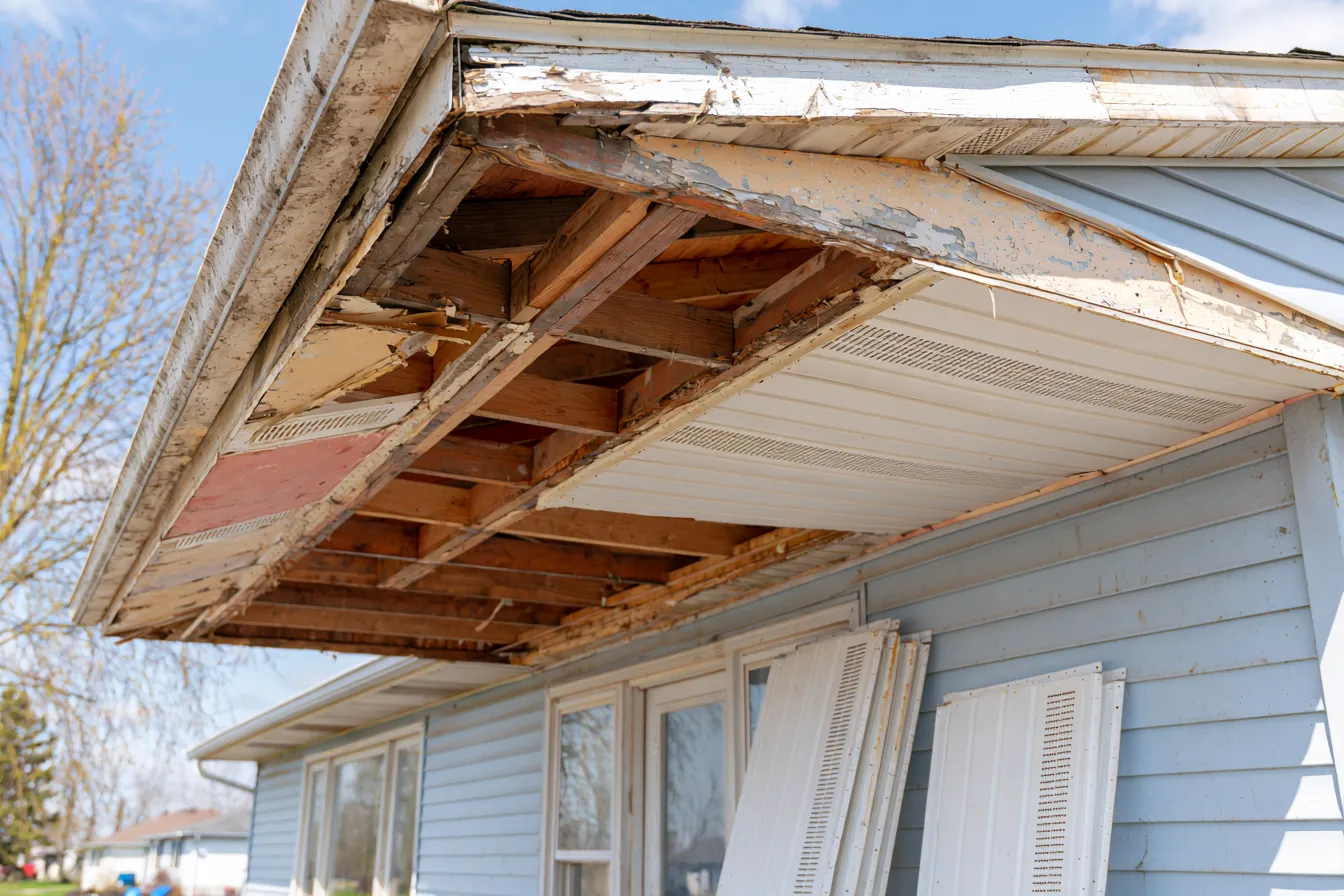
Intake and exhaust on a Bella Vista attic
What the roofer checks to judge the balance. The checks split evenly between the intake half at the eave and the exhaust half at the ridge, since a fix aimed at only one side rarely lasts.
- 01Soffit intake
- The low vents under the eave are where cooler outside air enters the attic, so they get checked for whether they're open or blocked by insulation. Without enough open intake down low, the exhaust vents up top pull conditioned air out of the house instead of hot attic air.
- 02Ridge or roof exhaust
- The high vents near the peak are where hot, moist air is supposed to leave. Their total opening gets measured against how much intake is feeding them, since an exhaust vent oversized for its intake just starves itself instead of venting anything.
- 03Insulation at the eave
- Blown-in or batt insulation piled up against the soffit is one of the most common ways intake gets blocked without anyone ever touching the vents themselves. It usually happens during an attic top-up added years after the original build, when new insulation ends up piled higher against the eave than the old batt ever sat.
- 04Attic floor area
- The size of the attic itself sets the target for how much vent opening the system needs on both the intake and exhaust side. A larger attic needs more open vent area on each side than a smaller one does, so the target is worked out per house instead of read off a flat rule of thumb.
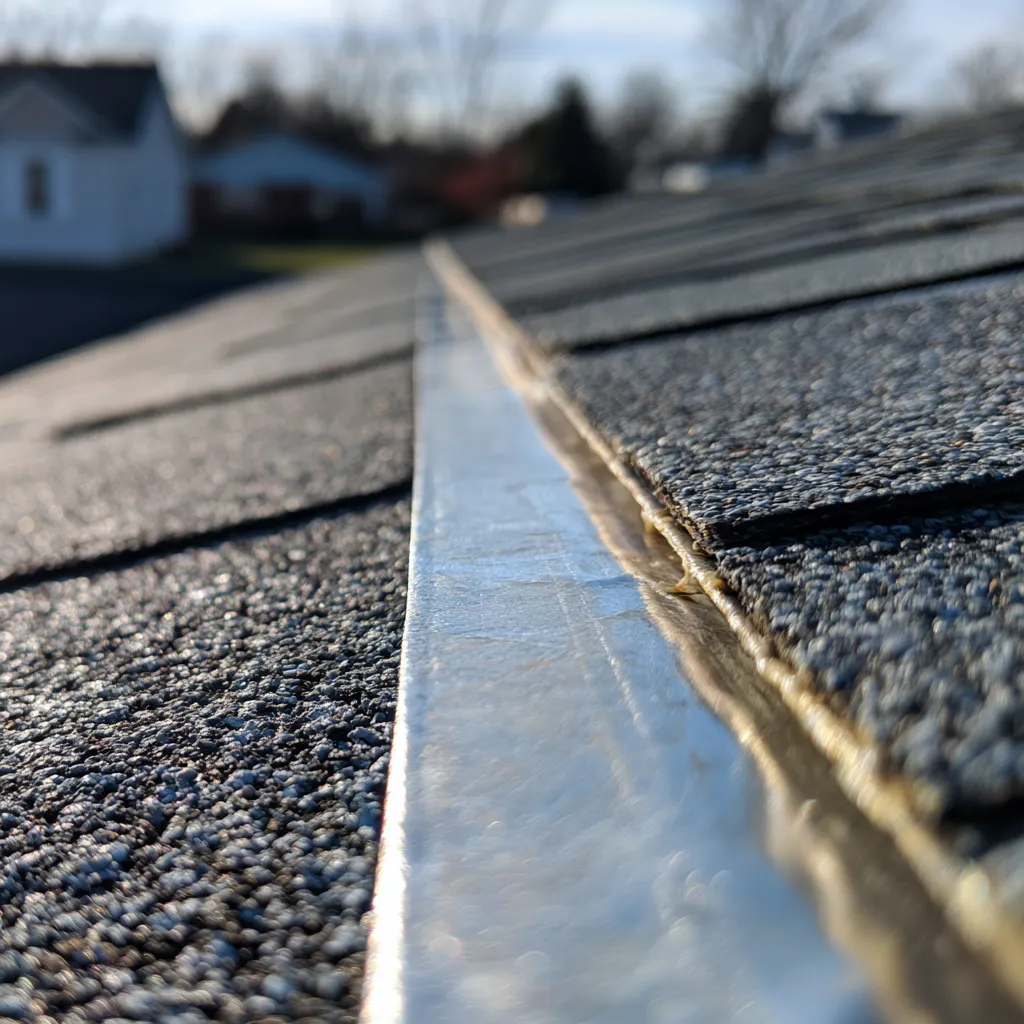
Intake and exhaust are not separate problems. The balance between them is what the check comes down to.
When ventilation comes up in a roof visit
An attic check happens during a roof visit instead of as its own separate stop, adding time to the walk-through but not a second trip. What the attic shows often explains what the shingles above it are doing.
Roof assessed first
The roofer looks at the roof itself, since a ventilation problem often shows up as shingle wear before anyone's been in the attic at all.
Attic walked and measured
Intake and exhaust openings get checked from inside the attic, along with how much insulation is sitting near the soffits.
Balance called out plainly
The roofer names which half is short, intake or exhaust, before anything about the roof itself is decided.
Attic heat that ages Bella Vista shingles
What an imbalanced attic tends to look and feel like. The signals show up in different seasons, and the ice-at-the-eaves version in winter is easy to mistake for a simple gutter problem instead of what's happening in the attic above it.
- Attic hot to the touch: if the space under the roof feels far hotter than the outside air on a summer afternoon, exhaust likely isn't keeping up.
- Shingles curling ahead of their age: heat trapped underneath can age a shingle field faster than its years would suggest.
- Frost or damp underside: in winter, moisture that can't escape the attic condenses on cold sheathing instead.
- Ice building at the eaves: heat escaping unevenly into the attic can melt and refreeze snow right at the roof edge.
Taken by itself, any of these could have another explanation. What settles it is getting into the attic, which happens as part of a roof inspection. Ice at the eaves in winter can also point at the gutters.
Ventilation pricing when it rides a Bella Vista replacement
Ventilation work usually gets priced as a line inside the wider replacement assessment, because the fix, more intake, more exhaust, or rebalancing what's there, is settled by what the current roof and attic show once someone has been up there.
On a roof that isn't otherwise being touched, a standalone ventilation fix is possible, but what it involves only gets clear once someone's been in the attic and on the roof to see the current setup.
Get a number for your roof- Whether it joins a planned replacement
- How much intake or exhaust needs adding
- What the current setup already has
Why this era of roof makes ventilation a live question
A lot of Bella Vista's housing was vented to whatever standard was common when it went up, which differs from how attics are typically vented today.
An older ventilation setup isn't automatically wrong, but current practice has moved since, and an older setup often no longer matches it, especially on a roof that's due for other work anyway.
- 01An older vent standard
- On a roof that age, the intake side down at the eaves is the half most often found blocked, painted over, or covered by insulation.
- 02Attic work rarely stands alone
- On a house from that stretch of years, a ventilation check tends to surface alongside other roof-age questions.
Whether your own attic is out of balance is something only a look up there settles.
Ventilation questions on 1990s Bella Vista homes
A ventilation flag naturally invites some skepticism, and that's fair. Poor attic ventilation can void a shingle warranty outright, which is the reason it comes up during a roof visit at all.
Q1Can bad ventilation void my roof warranty?
Q2Do I need more vents, or is what's there enough?
Q3Will fixing the ventilation lower my energy bills?
Q4Does ventilation work come with a warranty?
Add an attic check to the roof visit
Mention it when you describe the roof, and the attic gets checked in the same visit.